

In recent years, the landscape of global gambling operators has evolved significantly, shaped by changes in technology, consumer behavior, and regulatory standards. The gambling industry has become a multi-billion dollar enterprise, driven by the growing popularity of online gambling and the emergence of new markets. This article will explore the trends, challenges, and future outlook for global gambling operators.
Understanding Global Gambling Operators
Global gambling operators are companies that provide gambling services either online or at physical locations. They include online casinos, sports betting companies, poker rooms, and other gaming services. The rise of the internet has transformed the gambling industry, allowing operators to reach a broader audience and offer a wider range of gaming options than ever before.
The Rise of Online Gambling
One of the most significant trends in the gambling industry is the shift towards online gambling. The convenience of the internet and the proliferation of smartphones have made it easier for people to access gambling services from anywhere in the world. According to recent statistics, the global online gambling market was valued at several billion dollars and is expected to grow exponentially in the coming years. This rapid growth is fueled by increased internet penetration, advancements in mobile technology, and changing consumer preferences.
Regulatory Challenges
While the online gambling market continues to grow, it faces numerous regulatory challenges. Different countries have varying laws regarding gambling, which complicates the operations of global gambling operators. In many markets, operators must obtain licenses and comply with strict regulations to operate legally. For instance, the United States has a complex legal framework governing online gambling, varying significantly from state to state.
Moreover, operators must also address concerns regarding responsible gambling and problem gambling. Many jurisdictions require operators to implement measures that promote responsible gambling, such as self-exclusion programs and age verification processes. Failure to comply with these regulations can result in hefty fines and reputational damage.
Technological Innovations in Gambling
Technological advancements have played a crucial role in shaping the global gambling landscape. The introduction of innovative technologies, such as virtual reality (VR) and artificial intelligence (AI), is revolutionizing the gaming experience.
For instance, VR technology allows users to immerse themselves in a virtual casino environment, providing a more engaging experience. AI, on the other hand, is used to analyze player behavior, enhance security, and improve customer service through chatbots and personalized recommendations.
Moreover, blockchain technology has emerged as a game-changer in the gambling industry. It offers a transparent and secure way to conduct transactions, ensuring fairness and enhancing trust among players. As blockchain-based casinos gain traction, they could reshape the future of online gambling.
Global Partnerships and Collaborations
As the gambling industry becomes more globalized, partnerships and collaborations among operators are increasingly common. Many operators are teaming up with local businesses to expand their reach and enhance their offerings. For example, online gambling operators often partner with local payment processors to facilitate secure transactions for players in specific regions.
These collaborations can also extend to content sharing, where gambling operators work together to provide a broader array of games and betting options. This approach not only enhances the user experience but also allows operators to leverage each other’s strengths and tap into new markets.
Economic Impact of Gambling
The gambling industry significantly contributes to the economy, generating billions of dollars in revenue and creating jobs. In regions where gambling is legalized, it often serves as a major source of tax revenue for governments, which can be reinvested into public services and infrastructure.
However, the economic impact of gambling is not without its challenges. Critics argue that gambling can lead to social problems, including addiction and financial hardship for individuals and families. As such, a balance must be struck between reaping the economic benefits of gambling while addressing the associated risks.
The Future of Global Gambling Operators
Looking forward, the future of global gambling operators is promising, albeit not without its hurdles. The rapid evolution of technology is likely to continue reshaping the industry, with innovations such as mobile betting apps and live dealer games becoming more mainstream.
Moreover, as more jurisdictions take steps to regulate online gambling, operators will need to adapt to the changing regulatory landscape. This may involve investing in compliance and regulatory frameworks to ensure they meet local laws and standards.
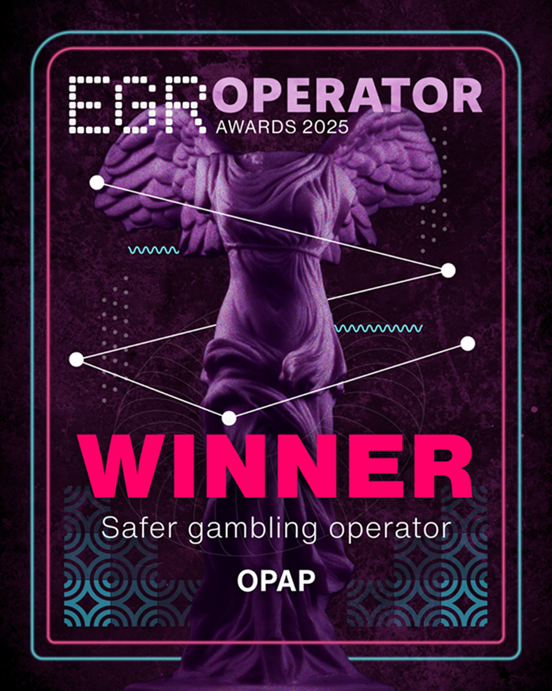
Finally, the focus on responsible gambling will continue to gain importance. As awareness of problem gambling grows, operators that prioritize player welfare and promote responsible gaming practices may find themselves at a competitive advantage.
Conclusion
Global gambling operators are at a pivotal point in their evolution, navigating a landscape marked by rapid growth, regulatory challenges, and technological advancements. The future looks bright as these operators adapt to the changing market dynamics and continue to innovate. As they do so, they must remain mindful of the responsibility that comes with their offerings, ensuring that they contribute positively to their communities while providing engaging and responsible entertainment for their customers.